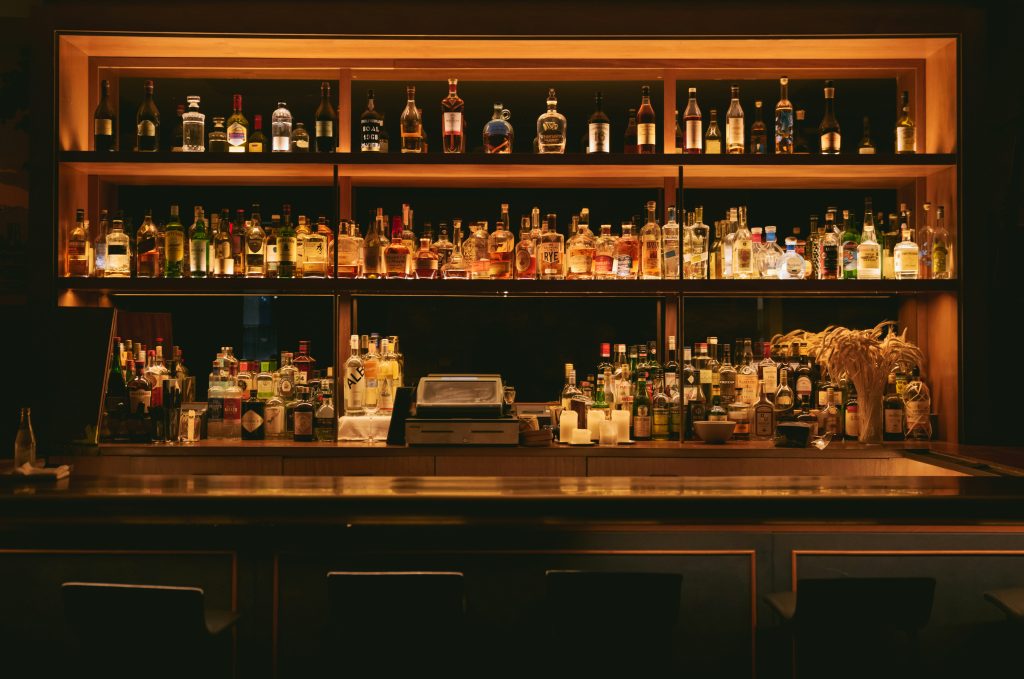
Landing somewhere strange in the best possible way has its own kind of electricity. The signs look different, the streets bend in unexpected directions, the air carries unfamiliar food smells, and every doorway seems to promise a story. After a long flight, train ride, road trip, or messy transfer from the airport, that first bar, café, lounge, or late-night corner spot can feel like the beginning of the real trip.
Most people check the obvious things first. Is the place busy? Does it look cool? Is the music good? Are locals inside? Does the menu make sense? Is the lighting flattering enough for a quick photo? All fair questions.
But the most underrated thing to check is simpler, quieter, and much more revealing: how the room is arranged.
Not the decor. Not the theme. Not the mural behind the counter. The actual layout. Where people sit, how they move, where staff pass, where the exits are, how crowded the corners feel, and whether the space seems relaxed or chaotic. In a new place, the layout tells you more than the sign outside ever could.
Even the seating can quietly explain what kind of night you are walking into. A bar lined with heavy-duty bar stools 500 lb capacity, stable tables, clear walking paths, and enough space between guests usually feels prepared for real traffic, not just good photos. It suggests that the owner thought about comfort, durability, and the kind of mixed crowd that comes through when a place is actually used, not just staged.
The Room Speaks Before Anyone Does
A good bar in an unfamiliar city has a rhythm. You can feel it within the first minute, even before you understand the language or recognize the music. Staff move without bumping into guests. Groups can talk without shouting into each other’s faces. People enter and leave naturally. Tables are placed with purpose. The bar area feels active, not trapped.
A poorly arranged room feels different; the chairs block walkways. Guests hover awkwardly because there is no clear place to stand. Staff squeezes through narrow gaps with trays. Corners feel hidden rather than cozy. The entrance creates a bottleneck. The whole space has the strange tension of a place that looks exciting but does not function well.
That matters when you are somewhere weird and wonderful because novelty can distract you. A neon sign, a tiled floor, a vintage poster wall, or a candlelit back room can make a place feel magical. Yet comfort comes from how the space works once you are inside.
Ask yourself a few simple things:
- Can people move easily without pushing past one another?
- Does the seating feel intentional rather than crammed in?
- Can you see the main entrance, service area, or general flow of the room?
These are not paranoid questions. They are practical ones. Great travel moments often happen when you are relaxed enough to enjoy them, and layout has a lot to do with that.
The Best Seat Is Not Always the Prettiest One
Travel seems to have a way of bringing out the most dramatic spot in the room. That table under the ancient framed mirror. The bench next to the window. The corner with the weird lamp. The cute, tiny booth that looks like something out of a movie.
Sometimes that’s just where you should sit.
Sometimes the ideal seat is one where you can get a good feel of the room. You want a space to hang around, observe what’s going on, keep your stuff close, and soak in the ambiance without being stuck in a corner. A pretty, enclosed walkway seat might be a painful one in five minutes. A cozy area can lose its appeal if the workers forget it exists. A window seat is a good choice, unless it places you in the way of everyone coming and going.
This is what the smartest tourists do, almost without thinking. They wait before they act. They look around the room. They see where locals feel comfortable looking. They look at how staff engage with guests. Then they pick a place that has both atmosphere and convenience.
It’s not about taking spontaneity out of vacation. It’s about fun with spontaneity.
Local Energy Is Easier to Read Through the Layout
Every city has its own social code. Some bars are designed for lingering conversations. Some are designed for quick standing visits. Some are built around music. Others are built around food, sports, views, games, or people-watching. When you land somewhere unfamiliar, layout helps you understand the code quickly.
A long bar counter with close seating tells one story. Small tables spread across the room tell another. Communal benches suggest a different kind of night than private booths. Outdoor seating facing the street often signals that the venue is part of the neighborhood’s daily theater. A room with heavy sound control and darker corners may be aiming for a slower, moodier experience.
This is especially useful when the destination feels unusual, layered, or hard to read at first. Maybe you are in a mountain town with a bar inside an old stone building. Maybe you are near a harbor where the best places look rough from the outside. Maybe the city has a creative district full of hybrid spaces that are part café, part gallery, part music venue, and part late-night hangout.
The layout quietly tells you what the place expects from guests.
Do people stay for hours, or rotate quickly? Are strangers likely to chat, or is everyone in their own group? Is the energy social, touristy, local, formal, casual, or a little chaotic? The furniture, spacing, and movement patterns answer those questions faster than a menu does.
Weird and Wonderful Should Still Feel Well Managed
A strange bar can be awesome. You can find just the right bar with mismatched chairs, weird art, crooked shelves, handmade signs, and unpredictable music that you remember years later. We do not seek perfection. Indeed, too much polish can render a place forgettable.
But there is a distinction between character and muddle.
Characters seem real. Confusion is out of control.
A bizarre and lovely location can have clear paths and firm seats. It can have clean surfaces and visible workers. It can have a room that does not feel out of control. The finest quirky places know how to mix charm with utility. They may seem ad hoc, but they rarely work that way.
It’s here that the seating is a startlingly honest element. So, if seats are wobbly, tables are unstable, heavy-duty stools are crammed in too tightly, or aisles are restricted, it tells you the operator is more concerned about ambiance than client pleasure. On the other hand, an area can look wild and yet be carefully planned. That is usually a good sign.
A powerful room does not have to be fancy. It should feel like it’s loved.
Your First Ten Minutes Tell You Almost Everything
The first ten minutes inside a new place are useful. Not because you need to judge it harshly, but because the room reveals itself quickly.
Watch how the staff handles new arrivals. Notice whether guests seem comfortable or restless. Pay attention to the noise level. Look at whether people are leaning awkwardly, guarding their bags, shouting across tiny tables, or constantly shifting their chairs to let others pass.
A good room lets people relax into it.
That does not mean it has to be quiet. Some of the best places are loud, crowded, and full of movement. The difference is whether the energy feels natural or strained. There are busy rooms where everything somehow works, and half-empty rooms that still feel uncomfortable because the layout is wrong.
When you are traveling, especially after a long day, this matters more than people admit. You may not want to analyze furniture, exits, spacing, and service flow. You just want to feel like you landed in the right place.
The layout helps you know.
Atmosphere Is Built From Practical Details
We speak of atmosphere as if it were mysterious. It is sometimes. A room might have a soul that’s hard to explain. Sometimes the most famous place with flawless reviews isn’t as cozy as a little bar on a back street. A basic counter, a few stools, and the proper lighting might make more memories than a place tailored for attention.
But atmosphere is not all magic. It is made up of realistic decisions.
Spacing alters discourse. Comfort impacts seating. Light impacts trust. Pathways influence ease. Staff relocation impacts mood. A clear entryway builds confidence. Even the tilt of tables may make a location feel friendly or unpleasant.
That is why layout is underappreciated. It lies in ambush in the open. People see the color of the wall before they see if the room gives them room to breathe. They recall the playlist before they realize the seating kept them comfy. They talk about the vibe, but they don’t see the framework that made it.
When it’s good, you don’t think about it. You just enjoy the spot.
A Small Habit That Makes Travel Better
The next time you land somewhere weird and wonderful, do not rush straight to the most photogenic seat. Pause for a few seconds at the entrance. Let your eyes adjust. Read the room like a traveler, not a critic.
Notice the flow.
If the space feels easy, cared for, and alive, step in deeper. Choose a seat that gives you comfort, visibility, and a sense of the place. Let the room slowly introduce the city. That first stop may become nothing more than a quick break, or it may become the story you tell when people ask what the trip was really like.
Either way, checking the layout first helps you enjoy the strange beauty of a new place without ignoring the practical details that make a night feel good.
The best travel memories often begin in rooms that feel a little unexpected, but the ones worth staying in usually have one thing in common: they know how to hold people well.